

Gig work runs on 1099s, app records and bank deposits that the IRS can already see. A study co-authored by IRS researchers found that when gig workers stop receiving a 1099, self-reported earnings drop too, tied to $560 million in unreported profits over two years. This is a pattern the IRS built systems to catch.
That doesn’t mean you’re stuck. Platform workers can find reporting rules on the IRS Gig Economy Tax Center, and real ways to get back on track exist, no matter how far behind you are. Here’s what to expect when the IRS catches a gap in gig worker taxes, how the process plays out and what your options look like when you’re ready to fix it.
The IRS’s Automated Underreporter (AUR) program is a key driver of enforcement in the gig economy. This system cross-references every 1099-NEC and 1099-K filed by platforms like Uber, DoorDash and Airbnb against every return submitted, every filing season. According to a 2023 GAO report on tax gaps, the IRS received more than 5 billion information returns in 2022 alone.
Many gig workers assume skipping a 1099 means skipping IRS visibility, but that’s not the case. Anyone earning $400 or more in net self-employment income must report that income to the IRS, regardless of whether a 1099 arrives. Additionally, the IRS can use bank deposit analysis when no information return exists.
Congress has adjusted these thresholds since. Following the American Rescue Plan’s 2021 changes, the 1099-K threshold reverted back to $20,000 and 200 transactions, while the 1099-NEC threshold for 1099 contractor payments is set at $2,000 starting in 2026.
Once the AUR system finds a mismatch, the first response is automatic, not human.
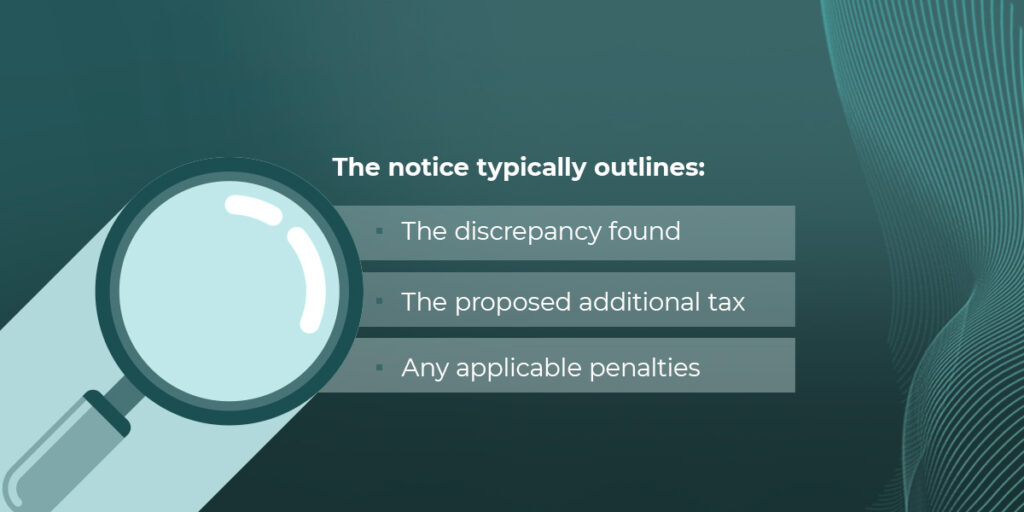
A CP2000 notice is generated automatically when the AUR system finds a gap between what you reported and what a platform’s 1099 shows the IRS. It is not an audit, and it is not a final bill. It’s a proposal explaining what the IRS believes changed and why.
The notice typically outlines:
For a broader look at what different notices mean, see this guide to common IRS notices and how to respond.
The IRS gives you 30 days from the notice date to respond, or 60 days if you’re outside the United States. From there, you generally have three paths:
Responding within 30 days keeps your options open, but only paying in full stops interest from adding up, according to the IRS’s guidance on notices. Ignore the notice, though, and your case moves to the escalated stage covered next.
If that 30-day window passes without a response, the IRS shifts from proposing changes to actively enforcing them.
If a CP2000 goes unanswered, the IRS follows up with a Statutory Notice of Deficiency letter, commonly called the 90-day letter. This notice proposes the additional tax, with penalties and interest accruing daily while it’s outstanding. You have 90 days to petition the U.S. Tax Court, or the IRS formally assesses the proposed tax and begins collections.
Several types of tax liability resolutions can still apply at this stage.
Once enforcement begins, the IRS can use several collection tools:
At this stage, the IRS has moved from proposing changes to actively collecting, and civil representation becomes critical. A wage garnishment or bank levy notice can move fast, while a federal tax lien on your property can affect your finances well beyond the balance itself.
The longer unreported income sits unresolved, the more IRS penalties and interest pile up. The numbers are specific:
Interest compounds daily on all three. As an example, $3,000 in tax owed on $15,000 of unreported income could grow by $1,000 or more within a year or two of inaction.
There’s also a ticking clock on the IRS’s side. The standard window to assess additional tax is three years, extended to six years for a substantial understatement of gross income over 25%. There’s no limit for fraud cases. Waiting rarely works in your favor, though penalty abatement may reduce what you owe once the underlying return is filed and addressed.
No matter how far along this process is, resolution options exist — but the IRS requires you to file all past returns first.
For gig workers who owe manageable back taxes but can’t pay the full balance right away, an installment agreement is often the most accessible option. Interest still accrues, but garnishments and levies may stop once the agreement is in place, depending on the terms of the agreement.
Qualified taxpayers can use an Offer in Compromise to settle their tax balance for less than the full amount owed, based on the IRS’s calculation of their reasonable collection potential. It’s difficult to qualify for, though a full tax resolution process review can confirm whether it fits your case.
The IRS may reduce or remove penalties through penalty abatement for reasonable cause or if you qualify for First-Time Abatement. This doesn’t eliminate the underlying tax balance, only the penalties added on top of it.
Gig workers facing unreported platform income are exactly the kind of case our team is built to handle. Every client gets a full team, not a single point of contact — a tax attorney, a case manager, an accountant and a tax preparer all working the same case together.
We handle all communication with the IRS or state taxing entity directly, so you’re not managing notices or deadlines alone. Early on, we request a collection hold while building your resolution strategy, then negotiate for the most affordable outcome your situation allows. Free consultations are available if you’d like to talk through where things stand.

The sooner you act, the more options you’ll have and the fewer penalties and less interest will pile up. Polston Tax has helped people resolve problems with the IRS or state taxing entity since 2001, and every case gets a team of professionals who can recommend next steps.
A free consultation with our team costs you nothing and doesn’t lock you into anything. It’s simply a chance to discuss your situation and figure out what actually makes sense for you. If unreported platform income has caught up with you, reach out to Polston Tax today and take that first step.